


12 Steps to Improve Tattoo Removal Results (By Supporting Your Lymphatic System)
Subscribe to receive the latest Insights
Thank you! Your submission has been received!
Oops! Something went wrong while submitting the form.
Follow Us
If you’ve been researching laser tattoo removal lately, you’ve probably come across a few posts and rumors claiming the process “overloads the lymphatic system” or that tattoo ink is somehow unsafe once it’s broken up by laser treatments.
These concerns are valid, and honestly, they deserve real discussion—not fear-based headlines.
But before anyone makes blanket statements meant to scare people away from removal, we need to understand what’s actually happening inside the body during the tattoo removal process.
At INKLESS, we believe that the more educated a client is, the better their results will be. So let’s break this down clearly.
The Truth About Tattoo Ink and Your Lymphatic System
First, here’s something that surprises a lot of people:
If you have tattoos, you already have ink in your lymph nodes.
Scientific postmortem studies have confirmed that tattoo pigment particles migrate over time and become stored in lymph nodes—sometimes for life.
That means the lymphatic system is already involved in tattooing, even if you’ve never had laser removal.
What Happens After Laser Tattoo Removal?
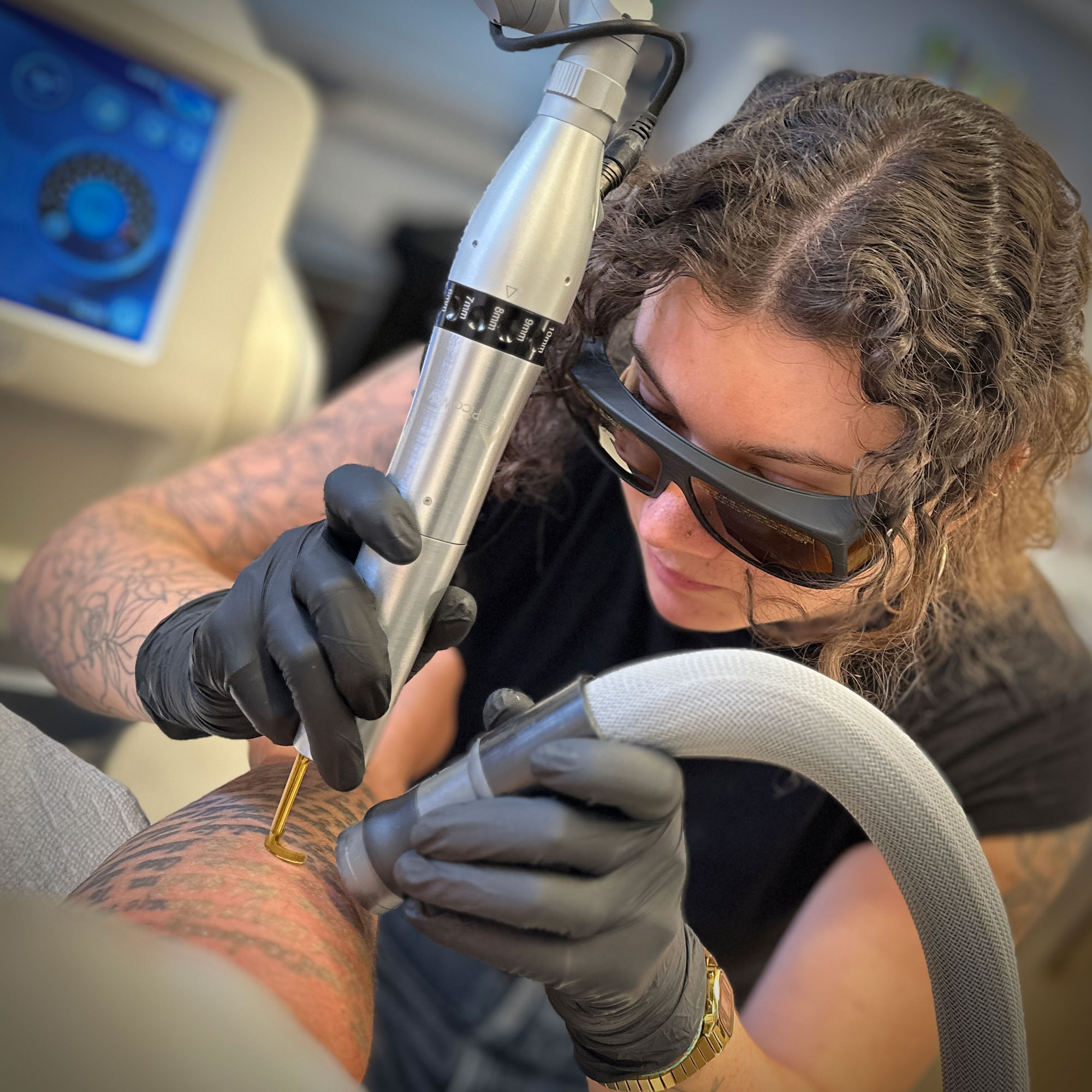
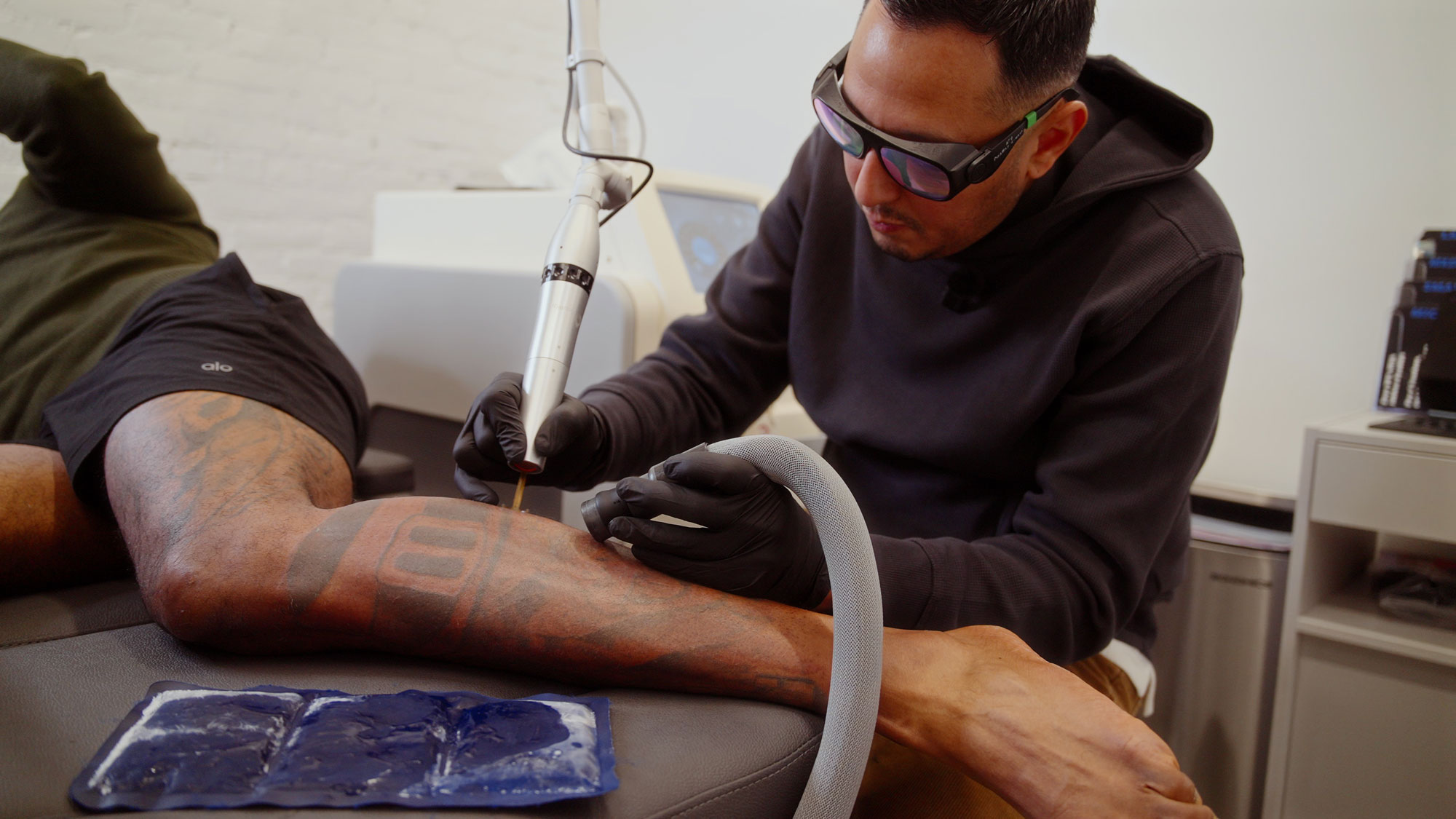
Laser tattoo removal works by using Q-switched or Pico-based lasers to break tattoo pigment into smaller fragments.
Before treatment, tattoo ink particles are relatively large and stable.
After treatment, those same pigment particles become micro-particles—small enough for your immune system and lymphatic system to begin filtering them out more efficiently.
So yes, your lymphatic system does experience an increase in pigment particles moving through it, especially after the first 1–3 sessions.
This is normal.
However, it’s also why clients with large, heavily saturated tattoos may experience:
- Fatigue
- Mild itchiness
- Temporary inflammation
- Slower healing if their body is under stress
This isn’t “toxic overload.” It’s simply the immune system doing what it was designed to do—filter waste.
Ink Ingredients Matter More Than Most People Realize
One of the biggest factors in tattoo removal safety and speed isn’t the laser.
It’s the ink.
Some synthetic tattoo inks contain:
- Heavy metals
- Carbon additives
- Metallic compounds used to strengthen pigment
- Ingredients that may trigger allergic reactions
This is why two people with similar tattoos can have completely different removal experiences.
Some inks break down easily.
Others take longer, trigger inflammation, or cause immune responses depending on how someone’s body reacts to that specific recipe.
This doesn’t mean tattooing is “bad” or that all inks are dangerous—there are excellent ink manufacturers out there.
It just means: every body is different, and every tattoo is different.
Why the Lymphatic System Matters So Much
Your lymphatic system supports nearly every other system in your body, including:
- Immune function
- Digestion
- Detoxification
- Nervous system regulation
- Healing and inflammation response
And unlike your heart, the lymphatic system has no pump.
It depends on movement, hydration, breathing, and circulation to stay efficient.
That’s why lifestyle has a major impact on tattoo removal results.
Clients who are inactive, dehydrated, stressed, or unhealthy often see slower fading—not because the laser “didn’t work,” but because the body isn’t processing pigment efficiently.
The 12 Best Ways to Improve Tattoo Removal Results
Here are 12 proven ways to support your lymphatic system during laser tattoo removal and improve your results.
1. Clean Up Your Diet
The less toxic waste your body has to filter, the easier your lymphatic system can process ink particles.
Try to:
- Avoid processed foods
- Reduce sugar and refined carbs
- Eat organic when possible
- Reduce inflammatory foods
If possible, consider getting tested for heavy metals (lead and mercury exposure is common in the U.S.).
2. Address Food Sensitivities & Digestive Issues
Digestion plays a massive role in detoxification and immune performance.
Helpful steps include:
- Testing for food sensitivities
- Taking a high-quality multivitamin
- Adding probiotic support
- Doing a 2-week hypoallergenic diet reset
If you have persistent gut issues (IBS symptoms, bloating, irregular digestion), addressing them can significantly improve healing.
3. Drink More Water (Seriously)
Hydration keeps lymph fluid moving.
Aim for:
6–8 glasses of purified water daily
Dehydration slows circulation, slows healing, and slows fading.
4. Practice Deep Diaphragmatic Breathing
Deep breathing is one of the fastest ways to stimulate lymph flow.
Focus on:
- Breathing through your nose
- Expanding your diaphragm
- Avoiding shallow chest breathing
Even 2–3 minutes daily helps.
5. Move Your Body Every Day
You don’t need to become an athlete.
But daily movement makes a huge difference.
Try:
- Walking
- Stretching
- Yoga or Pilates
- Swimming
- Dancing
- Jump rope
Even 5 minutes a day can help your lymph system circulate better.
Consistency is what matters most.
6. Sweat Regularly
Sweating supports detoxification and reduces stress on your lymph system.
Consider:
- Sauna sessions
- Steam baths
- Hot yoga
Even once a week can make a noticeable difference.
7. Avoid Aluminum-Based Antiperspirants
Aluminum-based antiperspirants block sweating and add to your toxic burden.
Switch to:
- Natural deodorants
- Aluminum-free hygiene products
Small change, big benefit.
8. Avoid Restrictive Clothing
Tight clothing can restrict lymph flow—especially around major lymph node clusters.
Be mindful of:
- Tight bras and underwire
- Spanx
- Tight jeans
- Compression clothing worn too long
Try giving your body at least 12 hours a day without tight pressure points, and never sleep in restrictive clothing.
9. Try Lymphatic Drainage Massage
Lymph drainage massage is one of the best “secret weapons” for tattoo removal.
It helps:
- Reduce swelling
- Improve circulation
- Increase lymph movement
- Support detoxification
Many clients notice improved healing and faster fading when they do this regularly.
10. Consider Acupuncture
Traditional Chinese Medicine has long focused on circulation and internal flow.
Acupuncture may help:
- Reduce inflammation
- Improve lymph movement
- Ease discomfort
- Support detox processes
It can be especially helpful during intense detox periods.
11. Reduce Stress & Emotional Stagnation
This one is real—and often ignored.
Chronic stress can suppress immune response, reduce circulation, and slow healing.
Some practitioners even believe emotional stagnation can physically “block” flow in the body.
Whether you see that as science, psychology, or spirituality, the results speak for themselves:
Clients who manage stress often heal better and fade faster.
Therapy, journaling, meditation, or simply talking with someone you trust can make a real difference.
As the saying goes:
“Our biography becomes our biology.”
12. Do Regular Detox Support (Smartly)
A nutritional detox and colon cleanse can reduce burden on the liver and kidneys, which reduces pressure on your spleen and lymph system.
Even a simple two-week cleanse can help reset your body.
That said: detox should be done responsibly, ideally with professional guidance—especially if you have underlying health conditions.
A Technician’s Role: Smart Treatment Planning Matters
At INKLESS, we strongly believe technicians should always treat responsibly.
For large tattoos, the safest approach is:
- Breaking tattoos into smaller treatment sections
- Shorter treatment times
- Longer spacing between sessions
- Monitoring fatigue and inflammation symptoms
This supports better healing, reduces unnecessary immune stress, and improves results over time.
Final Thoughts: Your Body Removes the Ink—Not the Laser
Laser tattoo removal doesn’t magically “erase” ink.
The laser breaks the pigment down.
Your immune system and lymphatic system do the real work.
That’s why supporting your health is one of the most powerful ways to:
- Fade tattoos faster
- Reduce number of sessions needed
- Improve healing
- Reduce irritation and inflammation
- Get better overall results
If you’re investing time and money into tattoo removal, it only makes sense to help your body perform at its highest level.
Want Faster Tattoo Removal Results?
At INKLESS, we don’t just remove tattoos—we educate clients so they can get the best outcome possible.
If you’re considering removal, or want a custom plan for your tattoo, book a consultation today.
Your skin deserves expert care—and your body deserves support.
Related Insights


Let’s talk
Have a question about your tattoo or curious about your options? Send us a message and one of our experts will personally guide you toward the safest, most effective next step.
720-465-5377
Thank you! Your submission has been received!
Oops! Something went wrong while submitting the form.
