


Laser Tattoo Removal Side Effects: What’s Normal and What to Watch For

Subscribe to receive the latest Insights
Thank you! Your submission has been received!
Oops! Something went wrong while submitting the form.
Follow Us
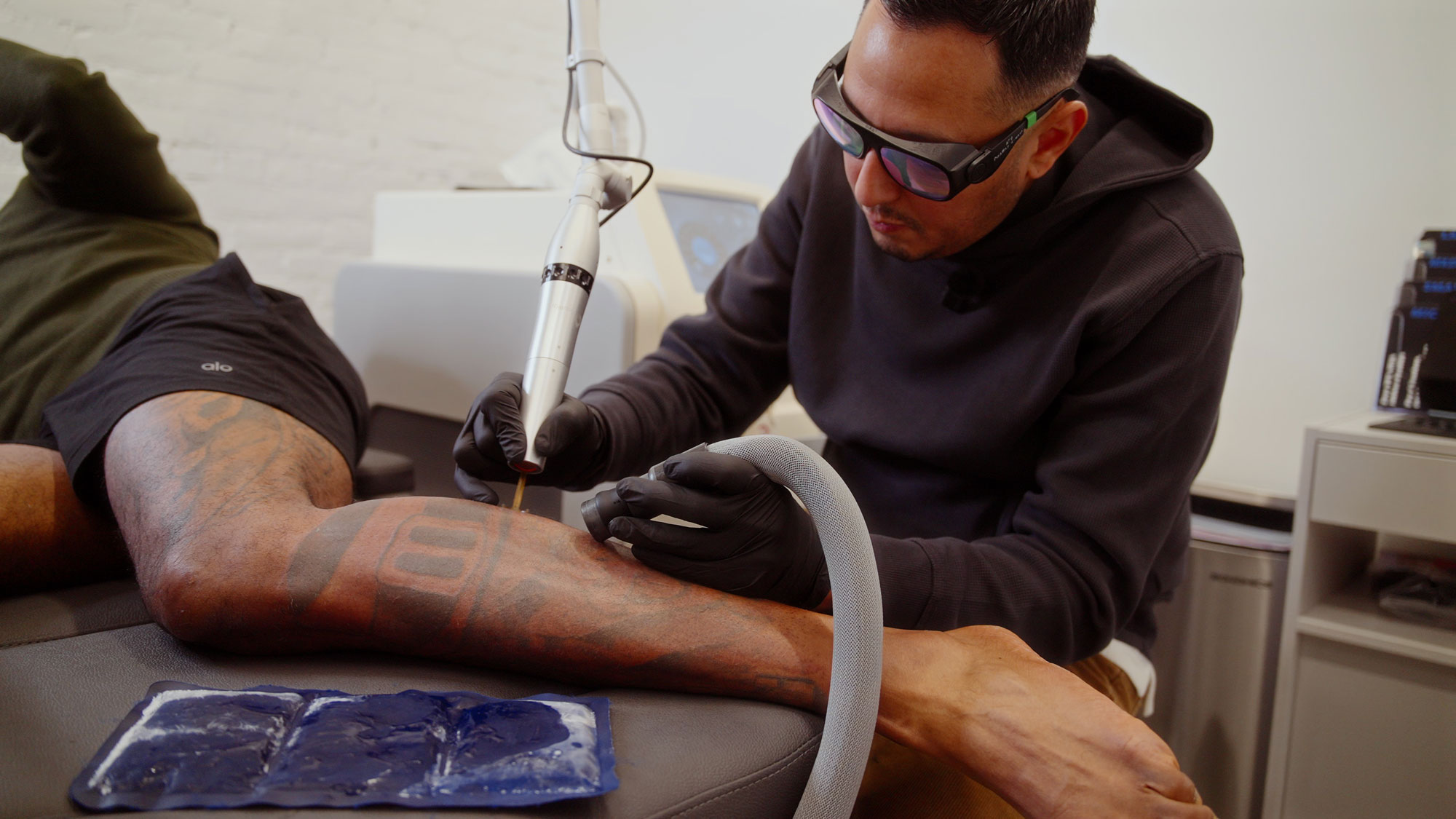
Laser tattoo removal is considered one of the safest and most effective cosmetic procedures available today when performed with the correct technology and protocols. However, like any treatment that involves heat and controlled skin trauma, tattoo removal can cause temporary side effects during the healing process.
Most side effects are mild, short-term, and completely manageable with proper aftercare. The best way to reduce risk is to work with an experienced clinic, follow professional guidelines, and allow your skin the time it needs to heal between treatments.
Below is a clear breakdown of the most common side effects of laser tattoo removal, what causes them, and when additional precautions are necessary.
Mild Discomfort During Treatment
The most common side effect of tattoo removal is discomfort during the procedure. Laser tattoo removal can range from mildly uncomfortable to very painful depending on the tattoo location, skin sensitivity, and the density of the ink being treated.
The good news is that treatments are typically very quick, often lasting only a few seconds to a few minutes. Once the laser stops, the sharp discomfort usually stops immediately as well.
Most clients describe the sensation as manageable, especially when cooling devices and proper techniques are used.
Redness and Swelling After Treatment
It is completely normal for the treated area to become red, swollen, and slightly raised immediately after a session. This is a natural inflammatory response and is part of the body’s healing process.
Swelling can vary depending on tattoo size and placement. Areas with thinner skin or higher circulation may swell more noticeably. In most cases, swelling improves significantly within the first 24 to 48 hours.
Applying ice and keeping the area clean and protected is usually enough to reduce this reaction.
Occasional Blistering
Blistering is a possible side effect of laser tattoo removal. While it can look alarming, blistering is not uncommon and does not automatically indicate a problem.
Blisters typically occur due to heat trapped in the skin after treatment. This is often caused by exposure to hot environments or excessive friction following a session. Common triggers include hot showers, saunas, heavy exercise, or wearing tight clothing over the treated area.
Blistering can usually be prevented through proper aftercare, cooling the area, and avoiding heat exposure in the first few days following treatment.
When blisters do occur, they should be treated gently and left intact whenever possible to reduce the risk of infection.
Rare Histamine Reactions
In rare cases, some clients may experience a brief histamine reaction following treatment. This may present as itching, hives, or mild swelling that feels similar to an allergic response.
These reactions are usually temporary and resolve on their own. They occur because laser treatment breaks down pigment, which can trigger a short immune response as the body begins processing fragmented ink particles.
Most histamine reactions are mild, but clients should notify their technician if they have a history of severe allergies or sensitive immune responses.
The Only Notable Long-Term Risk: Red Ink Allergies
The most significant potential long-term concern in tattoo removal is an allergic reaction to certain ingredients found in red tattoo pigments.
Red ink is known to cause allergic responses more frequently than other tattoo colors. This is due to the specific chemical components used in many red pigment blends.
Because of this, experienced clinics take extra precautions when treating red tattoos. At INKLESS, we thoroughly evaluate all red pigment tattoos and typically perform a small, non-invasive test spot before beginning full treatment.
This test spot allows us to monitor how the skin reacts before exposing the full area to laser energy. This approach significantly reduces risk and ensures the treatment plan is customized safely.
While specialized methods exist to address and remove red ink allergies, it is always best to evaluate and educate first before proceeding.
Hyperpigmentation and Hypopigmentation
Temporary pigment changes can occur during tattoo removal, especially in clients with melanated skin types or clients who have recent sun exposure.
Hyperpigmentation is when the skin becomes darker after treatment. Hypopigmentation is when the skin becomes lighter. In most cases, these effects are temporary and improve over time, but they are avoidable when proper settings and aftercare protocols are followed.
Avoiding sun exposure, using sunscreen, spacing treatments correctly, and working with experienced technicians are the most effective ways to reduce pigment disruption.
Infection Risk (Uncommon but Preventable)
Infection is a rare side effect when aftercare is followed properly. However, any procedure that affects the skin carries some risk if the area is exposed to bacteria or irritation.
The most common causes of infection include:
- Picking or scratching the treated area
- Excessive sweating in the first few days
- Wearing dirty clothing over the area
- Not keeping the area clean
- Exposing blisters to friction or contamination
Proper hygiene and protecting the area during healing greatly reduce this risk.
Is Laser Tattoo Removal Safe?
Scientifically, there are no credible or peer-reviewed studies suggesting that laser tattoo removal is unsafe for the general public.
Tattoo removal has been performed for decades and is widely recognized as a safe procedure when performed correctly.
However, safety depends heavily on using an experienced clinic, proper laser technology, and conservative protocols that prioritize skin health.
When a Clinic Should Decline Treatment
Although tattoo removal is safe for most people, not every client is a good candidate.
A reputable clinic will take extra precautions and may decline treatment for individuals with compromised immune systems or clients taking medications that restrict healing.
These precautions are taken to prevent complications, reduce risk, and ensure the body is capable of recovering properly after each session.
How to Minimize Side Effects
The best way to avoid complications is to choose an experienced provider and follow all aftercare instructions closely.
The most important factors for safe healing include:
- Keeping the area clean and dry
- Avoiding heat exposure for several days
- Avoiding tight clothing and friction
- Using recommended healing products
- Avoiding sun exposure
- Allowing full healing between sessions
Clients who follow aftercare guidance closely typically heal faster, experience fewer side effects, and achieve better results over time.
Final Thoughts
Laser tattoo removal can cause temporary side effects such as discomfort during treatment, redness, swelling, occasional blistering from post-treatment heat exposure, and in rare cases a short histamine reaction.
The only meaningful long-term concern is the potential for allergic reactions to red tattoo pigments, which is why experienced clinics carefully evaluate red ink tattoos and often perform a small test spot before full treatment.
There are no credible peer-reviewed studies suggesting tattoo removal is unsafe for the general public. When performed by an experienced clinic using proper technology and safe protocols, tattoo removal remains one of the most effective and low-risk cosmetic procedures available today.
The safest approach is always education, proper technique, and strict aftercare.
Related Insights


Let’s talk
Have a question about your tattoo or curious about your options? Send us a message and one of our experts will personally guide you toward the safest, most effective next step.
720-465-5377
Thank you! Your submission has been received!
Oops! Something went wrong while submitting the form.
