


White Tattoo Pigments (Titanium Dioxide) and Safety: What the Science Actually Says
Subscribe to receive the latest Insights
Thank you! Your submission has been received!
Oops! Something went wrong while submitting the form.
Follow Us
White tattoo pigments—often based on titanium dioxide (TiO₂), also known as White 6 (PW6)—raise a lot of questions online, especially in the context of cancer risk and tattoo removal. This article breaks down what the evidence shows, what it doesn’t show, and what it means for clients and artists.
What Titanium Dioxide Is and Where It’s Used
Titanium dioxide is one of the most common white pigments in the world. It’s used in:
- Tattoo inks (especially lightening blends and “white highlight” mixes)
- Sunscreens
- Paints
- Food products
- Pharmaceuticals
- Cosmetics
Because it’s so ubiquitous, it gets a lot of attention in safety discussions.
Does Titanium Dioxide in Tattoos Cause Cancer?
Bottom line: No credible evidence shows that titanium dioxide in tattoo pigments causes cancer.
Here’s what the science says:
- The only cancer-related concerns linked to TiO₂ are from inhalation of certain powders, not from pigments injected into the skin.
- In the European Union, the carcinogen classification for TiO₂ applies only to powder mixtures with ≥1% of very small particles (≤10 μm) when inhaled—not to tattoo ink.
- The International Agency for Research on Cancer (IARC) lists TiO₂ as Group 2B (“possibly carcinogenic”) based on inhalation studies in animals, but this classification does not translate to pigment injected into the skin.
- There is no evidence of a widespread cancer epidemic related to tattoos or tattoo removal. If ink caused cancer in measurable numbers, it likely would have shown up in public health data given how common tattoos are globally.
So, while regulators classify TiO₂ cautiously due to its behavior in airborne form, there is no credible scientific prooflinking tattoo TiO₂ to cancer.
The Real Biological Question: Do Tattoo Pigments Migrate?
Yes — pigments, including titanium dioxide nanoparticles, can migrate from the tattoo site to regional lymph nodes.
This has been shown in multiple studies and is biological fact, though not evidence of harm on its own.
When pigment particles enter the lymphatic system, they can accumulate in lymph nodes. This is true for many colors, not just TiO₂.
Migration doesn’t mean cancer or disease; it simply means the body processes pigment over time. What remains unknown is the long-term biological significance of this accumulation, and research is ongoing.
Regulatory Trends: EU vs. US
In the European Union
The EU has implemented regulations under REACH that restrict many chemicals in tattoo inks to reduce chronic risks and allergic reactions. These restrictions are not a ban on tattooing or a declaration that inks are unsafe—they are a precautionary measure to make inks safer.
Titanium dioxide is not broadly banned for tattoo use in the EU, but manufacturers must follow tighter standards for many additives.
In the United States
The U.S. Food and Drug Administration (FDA):
- Has not banned TiO₂ in tattoo inks
- Is currently focused on contamination control and accurate labeling
- Has found that many inks contain unlisted additives or pigments, which complicates risk tracking and client reactions
In a 2024 study published in Analytical Chemistry, researchers found that 83–90% of tested U.S. tattoo inks contained unlisted ingredients or additives, which makes accurate risk assessment difficult and underscores the importance of using reputable products.
What This Means for Tattoo Safety
If a client asks “Is white ink safe?”
A scientifically honest answer is:
There is no clear evidence linking titanium dioxide in tattoo ink to cancer.
However, “inert” does not mean “inactive everywhere.” Pigment particles can migrate, and some individuals develop allergic or granulomatous reactions.
From a safety perspective, TiO₂ in a tattoo is not considered a cancer risk based on current evidence.
What This Means for Tattoo Removal
Titanium dioxide poses special challenges in removal:
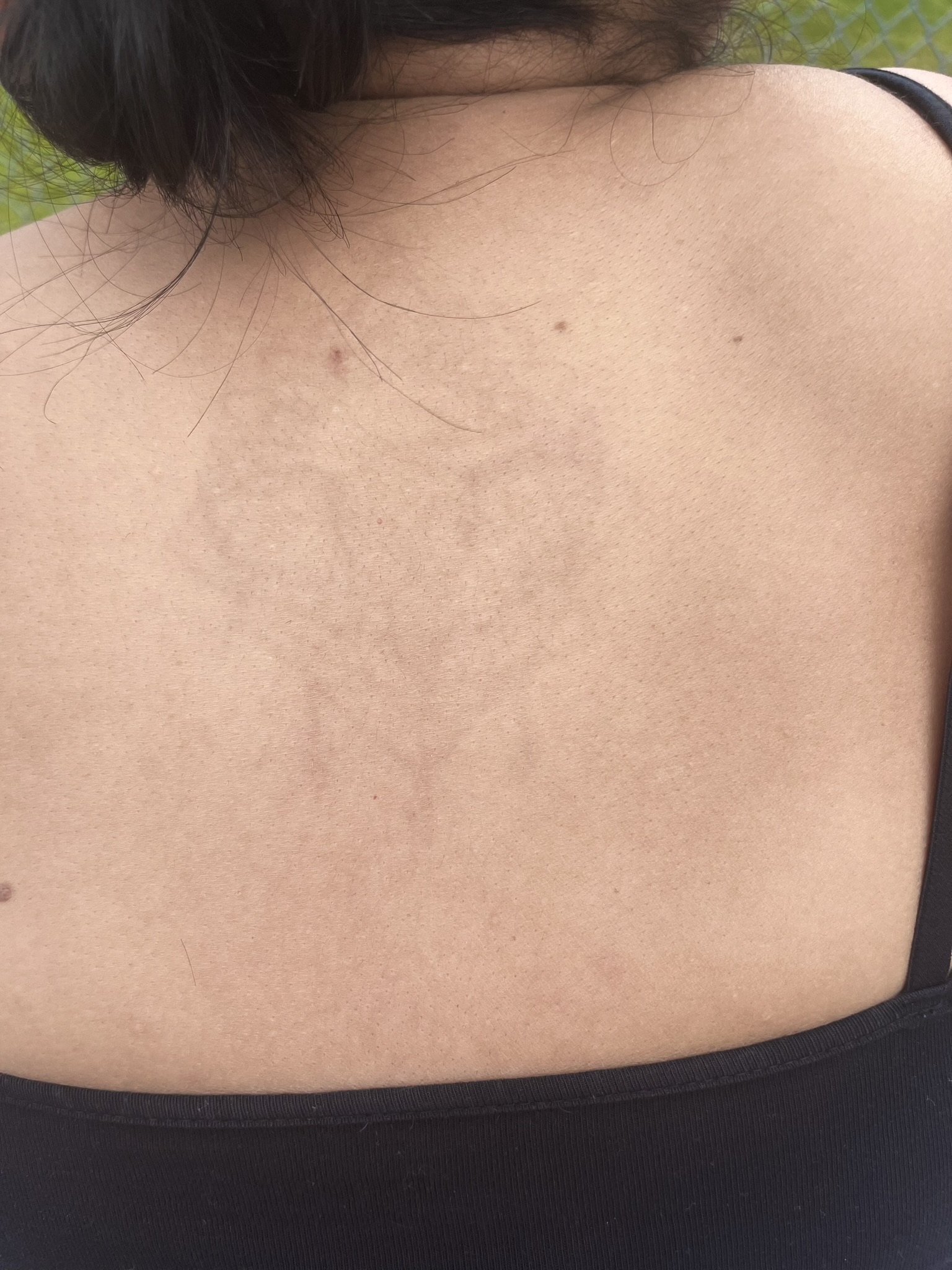
White/whitened pigment responds poorly to lasers
TiO₂ does not absorb laser energy efficiently. Instead, it scatters light, which makes it harder for the laser to break down the pigment.
This often results in:
- Slower clearance
- A tendency for white pigment to persist longer than other colors
- Sometimes paradoxical darkening or incomplete fading
For removal planning, it’s important to counsel clients that white and titanium dioxide-containing mixes may not clear as predictably as other pigments.
Migration matters
Some TiO₂ nanoparticles may be taken up by immune cells and transported to lymph nodes instead of being cleared locally. This contributes to the perception of slower fading and can affect how pigment responds over time.
Expectations and alternatives
Because white pigment is difficult to break up with lasers:
- Test spots are recommended
- Clients should be informed of realistic fading expectations
- In some cases, lightening or redesign strategies can be better alternatives than attempting full removal
Practical Takeaways for Artists and Removal Professionals
- Use reputable ink suppliers with Certificates of Analysis (CoAs) and Safety Data Sheets (SDS). Mislabeling and unlisted additives are common in tattoo inks.
- Don’t overstate risk: TiO₂ in tattoos is not linked to cancer in humans, and existing regulatory warnings are based on inhalation risk, not dermal injection.
- Expect slower removal of white and TiO₂-containing pigments due to light scattering and poor absorption.
- Educate clients: Be transparent about removal limitations and potential outcomes with white and pastel pigments.
- Be aware of migration: Understand pigment can accumulate in lymph nodes, which is normal biology, not evidence of systemic disease.
- Follow regulatory updates: EU and FDA guidance continues to evolve as more pigment chemistry data becomes available.
In Summary
- Titanium dioxide (White 6) is commonly used in tattoo pigments and many other products.
- Current evidence does not show that tattoo TiO₂ causes cancer in humans.
- The only established cancer risk in the literature is related to inhalation of certain TiO₂ powders—not dermal pigment.
- Pigment migration to lymph nodes can occur, but this does not equal disease.
- White pigment is one of the hardest colors to clear with laser due to its physical properties.
- Clinicians and artists should focus on safe practices, accurate information, and realistic outcomes.
If you’d like, I can turn this explanation into a client-facing FAQ, clinic training piece, or social media post to help educate your audience further.
Related Insights


Let’s talk
Have a question about your tattoo or curious about your options? Send us a message and one of our experts will personally guide you toward the safest, most effective next step.
720-465-5377
Thank you! Your submission has been received!
Oops! Something went wrong while submitting the form.
